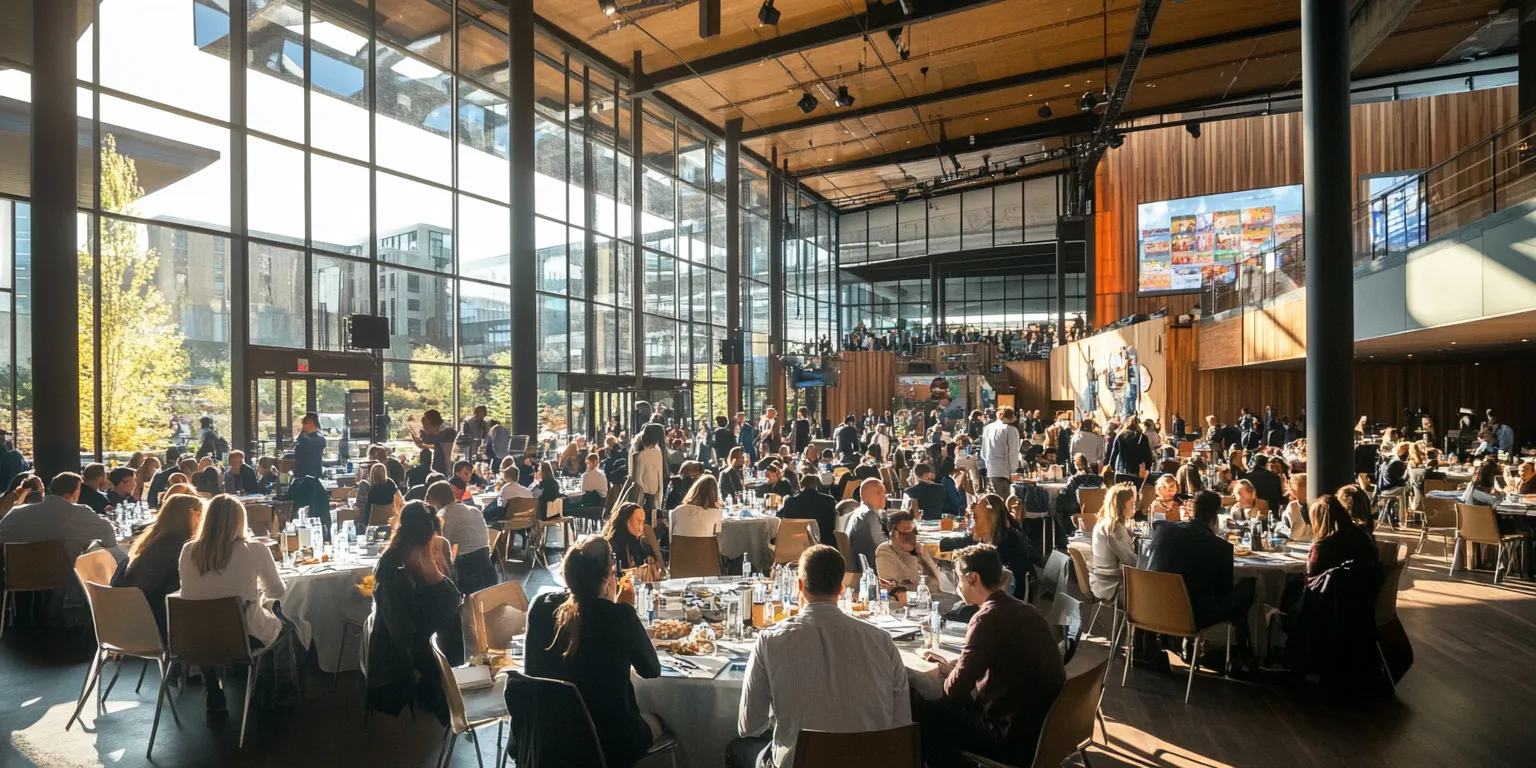
Mastering Hybrid Events: Engaging Virtual and In-Person Audiences
Hybrid events have emerged as a powerful model, blending the accessibility of virtual gatherings with the immersive quality of in-person interactions. This format offers unparalleled reach and flexibility, but it also presents a unique challenge: how do you create a cohesive, engaging experience that resonates equally with attendees both online and on-site? The key lies in strategic planning, innovative technology, and a deep understanding of each audience's distinct needs.
The Hybrid Event Imperative: Why it Matters
The evolution of event formats is not just a trend; it's a strategic imperative for businesses and organizations seeking to maximize their impact. Hybrid events break down geographical barriers, allowing a broader, more diverse audience to participate. They offer a sustainable alternative, reducing travel and environmental footprint, while also providing valuable data insights into attendee behavior. For modern event organizers, embracing hybrid is no longer optional; it's essential for future-proofing their strategy and expanding their community.
Crafting a Unified Experience: Bridging the Divide
The core challenge of hybrid events is ensuring that neither the virtual nor the in-person audience feels like a secondary participant. A truly successful hybrid event is one where both groups feel equally valued, connected, and engaged. This requires more than just streaming a live event online; it demands intentional design and robust technological integration.
Strategic Planning and Platform Selection
The foundation of any successful hybrid event is meticulous planning. Begin by defining your objectives for both audience segments. What do you want your virtual attendees to achieve? How about your in-person guests? Your event management platform plays a pivotal role here. Choose a solution that offers seamless integration between virtual and physical components, robust streaming capabilities, interactive features, and comprehensive registration and ticketing functionalities. For streamlining your event planning from conception to execution, consider leveraging tools like Event Schedule, which can help manage complex logistics for both virtual and in-person attendees.
Engaging Your Virtual Audience
Virtual attendees require dedicated attention to maintain their focus and involvement. Without the physical cues and spontaneous interactions of an in-person event, organizers must work harder to create an immersive online environment.
- Interactive Tools: Implement live polls, Q&A sessions, chat functions, and virtual breakout rooms. Encourage real-time dialogue and provide opportunities for attendees to ask questions directly to speakers.
- Dedicated Virtual Hosts: Assign moderators specifically for the online audience. They can manage chat, relay questions to speakers, and guide virtual participants through the platform.
- Curated Content: Offer exclusive virtual content, behind-the-scenes access, or on-demand sessions that cater specifically to the online experience.
- Networking Opportunities: Facilitate virtual networking through speed networking tools, topic-based chat rooms, or scheduled 1:1 meetings.
Elevating the In-Person Experience
While virtual access is convenient, the physical event must offer unique value that justifies attending in person. This typically revolves around human connection and sensory experiences.
- Exclusive Networking Zones: Create dedicated areas for spontaneous networking, themed discussions, or mentor meet-ups.
- Unique Content & Demos: Provide hands-on workshops, product demonstrations, or interactive installations that cannot be replicated virtually.
- Streamlined Logistics: Ensure a smooth check-in process, clear signage, and comfortable environments. Utilize advanced ticketing solutions to facilitate quick entry and manage attendee flow efficiently. This makes the first impression positive and reduces friction.
- Sensory Engagement: Think about the atmosphere, catering, music, and overall ambiance that enhances the in-person journey.
Bridging the Gap: Interactive Strategies for All
The magic of hybrid events lies in creating moments where both audiences feel connected to each other and the central event. Here are actionable strategies:
- Unified Q&A Sessions: Use technology that allows questions from both virtual and in-person attendees to be submitted and displayed on a central screen, ensuring all voices are heard.
- Hybrid Facilitators: Train facilitators to engage both cameras and the room simultaneously, making eye contact and addressing both groups.
- Shared Gamification: Implement interactive games, quizzes, or challenges that both virtual and in-person attendees can participate in, with shared leaderboards and prizes.
- Social Media Walls: Display a live social media feed on screens at the venue and within the virtual platform, using a common hashtag to unite conversations.
- Integrated Sponsorship: Offer sponsorship opportunities that cater to both audiences, such as virtual booths for online attendees and physical presence for in-person.
Post-Event Engagement and Data Analysis
The success of a hybrid event extends beyond the live broadcast. Follow-up is crucial for sustained engagement and future improvement. Distribute surveys to both audiences to gather feedback on their respective experiences. Analyze data from your virtual platform and ticketing system, such as session attendance, engagement rates, Q&A participation, and networking interactions. This invaluable data will inform your strategy for subsequent events, helping you refine content, technology, and audience engagement techniques. A comprehensive Event Schedule platform can also provide robust analytics to help you understand performance and optimize for future success.
Conclusion
Mastering hybrid events requires a paradigm shift from traditional event planning. It's about designing two distinct yet interconnected experiences that ultimately converge into one powerful, inclusive event. By focusing on strategic planning, leveraging cutting-edge technology, and prioritizing intentional engagement for both virtual and in-person audiences, you can unlock the full potential of hybrid events, foster deeper connections, and extend your event's reach like never before.
Related Posts

Sell Out Your Summer Concert Series: Amphitheater Ticket Strategies
Learn how outdoor amphitheaters can sell out summer concert series using smart strategies like recurring events and early bird tickets.

AI Event Assistant: Natural Language Event Creation & Management
Discover how AI assistants use the Event Schedule API to enable natural language event creation and management, streamlining organization and boosting productivity.
Boost Bootcamp Sales & Registration: Tech Educators' Guide
Coding and tech educators can boost bootcamp sales and streamline class registration using built-in ticketing and online event links for efficiency and professionalism.